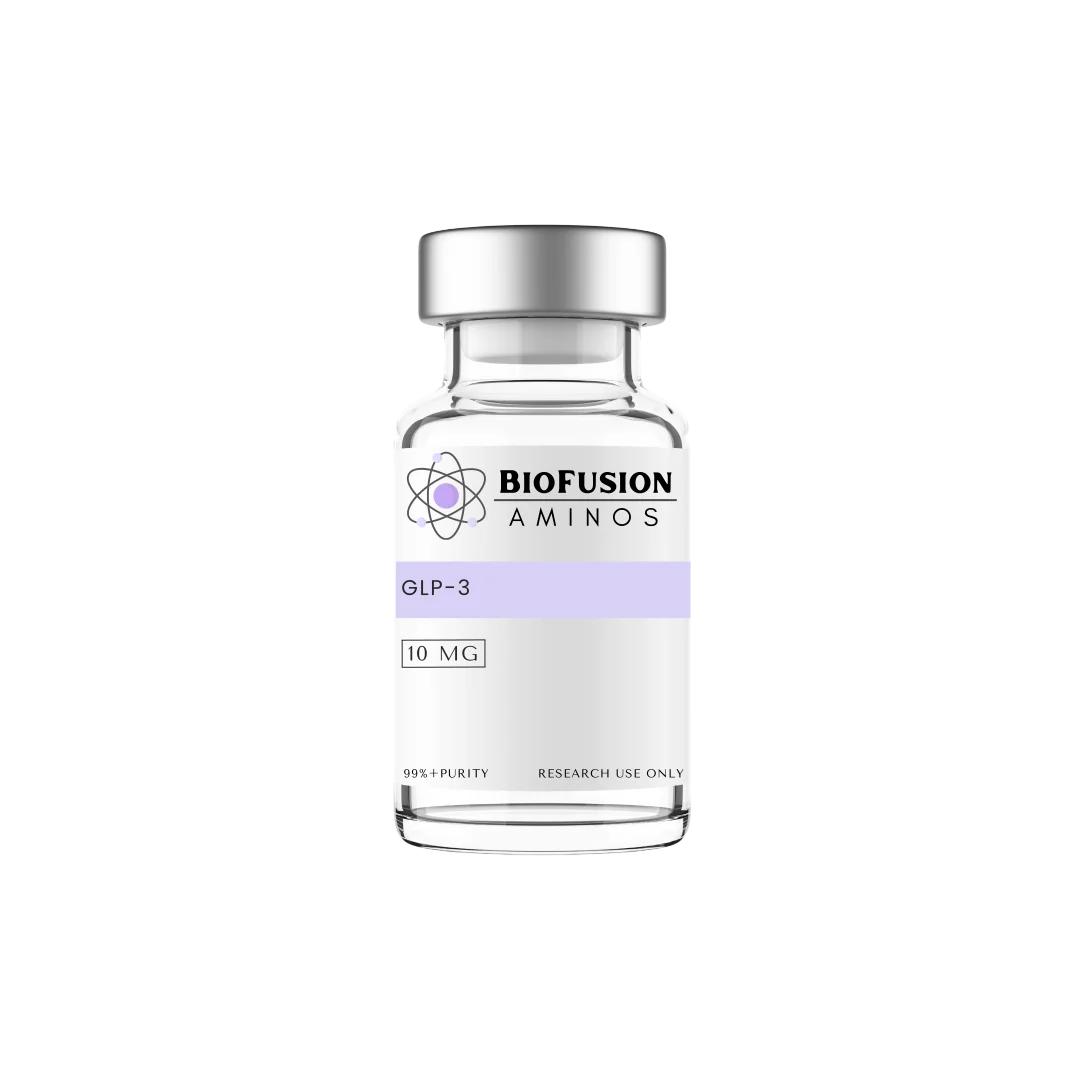
USP vs Research-Grade
Researchers comparing suppliers often ask whether a peptide is USP grade. It is a fair question with a precise answer. This guide explains what USP and pharmacopoeial standards actually are, why their monographs do not map onto research-use-only peptides, and what reference-grade means in a research context.
01 What USP and Pharmacopoeial Standards Are
USP stands for the United States Pharmacopeia, the official compendium of public standards for medicines, ingredients, and certain food and dietary substances in the United States. Alongside it sit other pharmacopoeias, the European Pharmacopoeia and the British Pharmacopoeia among them, each serving the same role within its jurisdiction. When a material is described as USP grade, the claim is specific: it conforms to a published monograph.
A monograph is a written standard for one named, approved article. It fixes the tests and acceptance criteria that establish identity, strength, quality, and purity for that article, the analytical methods used to run those tests, and the limits the material must fall within to be called compendial. These standards are recognized in law for the substances they cover, which is what gives a pharmacopoeial grade its weight. The designation is not a general seal of quality. It is conformance to a particular monograph for a particular compound.
A pharmacopoeial grade is not a quality badge. It is conformance to a specific monograph for a specific approved article.
What USP grade actually assertsThe important consequence follows directly. A monograph has to exist before anything can conform to it, and monographs are written for approved drug substances and excipients, not for the broad universe of research compounds. That distinction is the whole basis for the rest of this guide, and it is why the term USP grade is used carefully here rather than loosely. For how identity and purity are actually established in a laboratory setting, see Standards & Verification.
02 What Research-Grade Material Is
Research-grade describes material supplied for laboratory and research use only, where quality is established by the supplier's own characterization rather than by a pharmacopoeial monograph. The compound has not been entered into a compendium, so there is no monograph to conform to. Quality is demonstrated instead by analysis, and by the documentation that records how that analysis was performed.
For peptides this characterization rests on a small set of complementary tools. The two that do most of the work are these:
Reversed-phase HPLC
Reports the purity figure and separates the target sequence from closely related deletion and truncation byproducts.
Mass spectrometry
Confirms identity by matching the measured mass of the compound to the mass expected for the intended sequence.
Documentation that describes the method
Paperwork that records how a compound was characterized, available on request, so the basis for a grade claim can be read rather than taken on faith.
The point of research-grade is not that it is lesser than a compendial grade. It is that it answers a different question. A monograph asks whether an approved article meets a fixed legal standard. Research-grade characterization asks whether this specific material is what it says it is, at the purity it claims, established by methods a researcher can see described in the documentation. The chemistry of the individual compounds is covered in the Research Overviews.
03 Why Monographs Don't Map Onto RUO Peptides
The reason a USP monograph cannot simply be applied to a research peptide is structural, not a matter of effort or quality. A monograph is written for one specific approved article. If a compound has no monograph, there is nothing to conform to, and asserting conformance would be inaccurate by definition. Most research peptides fall into exactly this position: they are research-use-only compounds that have not been entered into any pharmacopoeia, so no compendial standard exists for them.
You cannot conform to a monograph that does not exist for your compound.
The structural reasonIt helps to see the three positions side by side, stated plainly and without implying that any one is a substitute for another.
This is also why a careful supplier will not casually label a research peptide as USP grade. Doing so would borrow the authority of a compendial standard the compound was never measured against. The honest claim for a research-use-only compound describes the verification that was actually performed, which is what the next section sets out.
04 What Reference-Grade Means Here
Because USP grade does not apply, research suppliers describe quality in their own terms. The term used here is reference-grade: material suitable to serve as a reference point in laboratory work. It is a description of discipline, not a regulatory designation, and at BioFusion it carries a specific and consistent meaning.
American-manufactured, independently verified, documented on request.
A BioFusion reference standard is American-manufactured in domestic facilities, which keeps the chain of custody short. Identity and purity are established through independent verification using reversed-phase HPLC and mass spectrometry, and documentation describing those methods is available on request for the compounds we carry.
None of this borrows the language of a pharmacopoeial monograph, because these are research-use-only compounds for which no monograph exists. Reference-grade names what is actually true of the material: where it was made, how it was checked, and what can be shown to you about that on request.
Read this way, reference-grade and USP grade are not rivals making the same claim. One describes conformance to a legal compendial standard for an approved article; the other describes honest, verifiable characterization of a research compound that has no such standard. For research work, the second is the relevant and accurate frame. You can read how individual compounds are characterized in the Research Overviews, or browse formats and classes in the catalog.
05 How to Read a Grade Claim
When you see a grade on a research-peptide listing, a few questions separate a precise claim from a loose one. None require special expertise, and a supplier that takes the distinction seriously should answer each one plainly.
The short version is simple. Treat USP grade as a precise term that applies only where a monograph exists, treat research-grade as the honest description for compounds that have none, and read reference-grade as a statement about characterization discipline rather than regulatory status. If you would like to see how a given sequence is characterized, documentation is available on request, or you can contact us with the compounds and formats you work with.
Frequently asked questions
What is USP grade?
USP grade means a material conforms to a monograph published in the United States Pharmacopeia, a compendium of legally recognized standards for approved drug substances and excipients. A USP monograph fixes identity, strength, quality, and purity tests for a named, approved article. The designation applies to that compendial article and does not describe research-use-only material that has no monograph. See Standards & Verification for how characterization works in practice.
What is research-grade?
Research-grade describes material intended for laboratory and research use only, where quality is established by the supplier's own characterization rather than by a pharmacopoeial monograph. For peptides, identity and purity are typically established by independent analysis using reversed-phase HPLC and mass spectrometry, with documentation describing those methods available on request.
Why don't USP monographs apply to RUO peptides?
A USP monograph exists only for a specific approved drug substance or excipient that has been entered into the compendium. Most research peptides are research-use-only compounds with no corresponding monograph, so there is no compendial test to conform to. Calling such material USP grade would be inaccurate. Quality for these compounds is established through independent verification and documentation rather than a monograph.
What does reference-grade mean here?
In a research context, reference-grade describes a standard suitable to serve as a reference point in laboratory work: American-manufactured, with identity and purity established through independent verification, and documentation describing those methods available on request. It is a description of characterization discipline for research-use-only material, not a pharmacopoeial designation. The chemistry behind individual compounds is covered in the Research Overviews.
This guide is provided for laboratory and research use only. It is educational reference material and is not for human or veterinary consumption. Buyers are responsible for compliance with all applicable laws and regulations.
Independently verified, documented on request.
Read the chemistry behind a compound, browse the catalog, or ask to see how a given sequence was characterized.