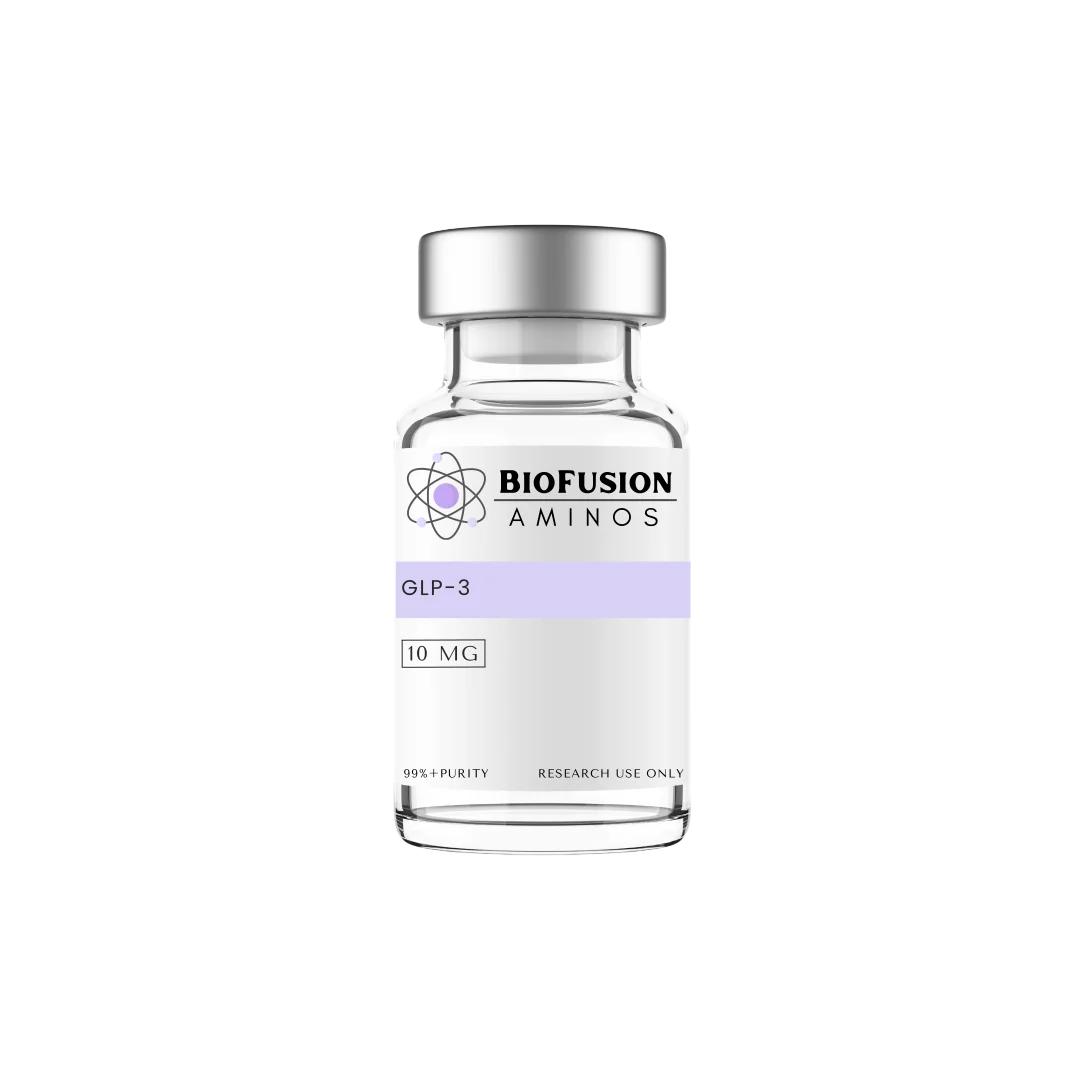

Choosing a peptide vendor is, more than anything, a documentation exercise. The compounds you cannot independently verify on the bench should not be entering your study. This is the checklist we use internally at BioFusion Aminos when we audit a supplier — and the questions every research buyer should be asking before placing an order in 2026.
What separates a verified vendor from a marketing storefront
Peptide vendors fall into two camps: the ones whose paperwork holds up under scrutiny, and the ones whose certificates begin to fall apart the moment you cross-reference them. The difference is rarely about who has the best photography or the most aggressive discount. It is about whether the chemistry on the label matches the chemistry in the vial — and whether anyone at the vendor can answer for it when something goes wrong.
The 12-point research-buyer checklist
1. Per-lot certificate of analysis
Every lot should have its own certificate of analysis (COA) — not a generic specification sheet, not a marketing flyer. The COA should be retrievable by lot identifier and dated to the synthesis run. If a vendor cannot produce a per-lot COA on request, the lot is effectively unverified.
2. HPLC trace included on the COA
A COA without an HPLC chromatogram is incomplete. The trace shows the integration window, the gradient, and the actual peak structure that produced the purity number. Numbers without traces are claims, not evidence. Open libraries like ours publish them by default.
3. Independent analytical verification
Verification by the same team that synthesized the material is a conflict. A credible vendor sends every batch to an independent analytical group before release. Ask whether the verification lab is the same as the synthesis lab — the answer should be no.
4. ≥99% HPLC purity floor as a fixed standard
“≥98%” with a footnote is not the same as “≥99% verified.” Reputable reference-standard vendors fix the floor at 99% and reject lots that do not clear it. If the bar moves with demand, the bar is not a bar.
5. U.S. or EU synthesis with named facility
“American-manufactured” should mean an actual U.S. synthesis facility, not a U.S. fulfillment address with offshore manufacturing. Ask for the facility name and accreditation. If the answer is vague, the chain of custody is vague.
6. Mass-spec confirmation of molecular weight
RP-HPLC alone confirms purity, not identity. Mass-spec confirmation pairs the purity number with confirmation that the molecule is in fact what the label says it is. Both should be on the COA.
7. Karl Fischer or equivalent water content
Lyophilized peptides should report water content. High residual water can drive instability and shift the effective concentration on reconstitution. Three percent or below is typical for well-lyophilized reference material.
8. Residual solvent screen
Synthesis residues — TFA, acetonitrile, DMF — affect reproducibility. Vendors who screen for residual solvents tend to be the same vendors who keep their synthesis under control.
9. Tamper-evident seals on every vial
The seal is not decorative. It is the physical chain-of-custody guarantee between dispatch and the bench. Lot-stamped vials with intact tamper-evident seals are the minimum.
10. Faceless brand or named chemistry team
“Founded by Dr. Smith” with no verifiable Dr. Smith is a marketing posture. A faceless brand staffed by an actual chemistry team you can email is a different proposition entirely. Both can be credible — opaque biographies are not.
11. Direct technical access
Can you ask a chemist a question about salt form, predicted solubility, or comparative literature, and receive a written, sourced answer? If the support queue routes everything to “we’ll get back to you,” the vendor is not a research-supplier.
12. Public batch transparency
The strongest signal is a public, open archive of every lot’s documentation. A vendor that publishes its certificates openly — searchable by lot ID — is making a much stronger commitment than one that emails them on request.
How to use this checklist
Run any vendor you are evaluating against these twelve points. A vendor scoring under eight is a sourcing risk. A vendor scoring twelve is the kind of supplier worth building a multi-year research program around. The chemistry should be the variable a researcher can rule out — and a verified vendor is what makes that possible.
For our own materials, every lot is published in the Batch Transparency library, every order is synthesized in U.S. facilities, and every COA includes the HPLC trace, MS confirmation, and water content. If there is a vendor checklist you’d like documented and published, the chemistry team takes requests through the contact page.