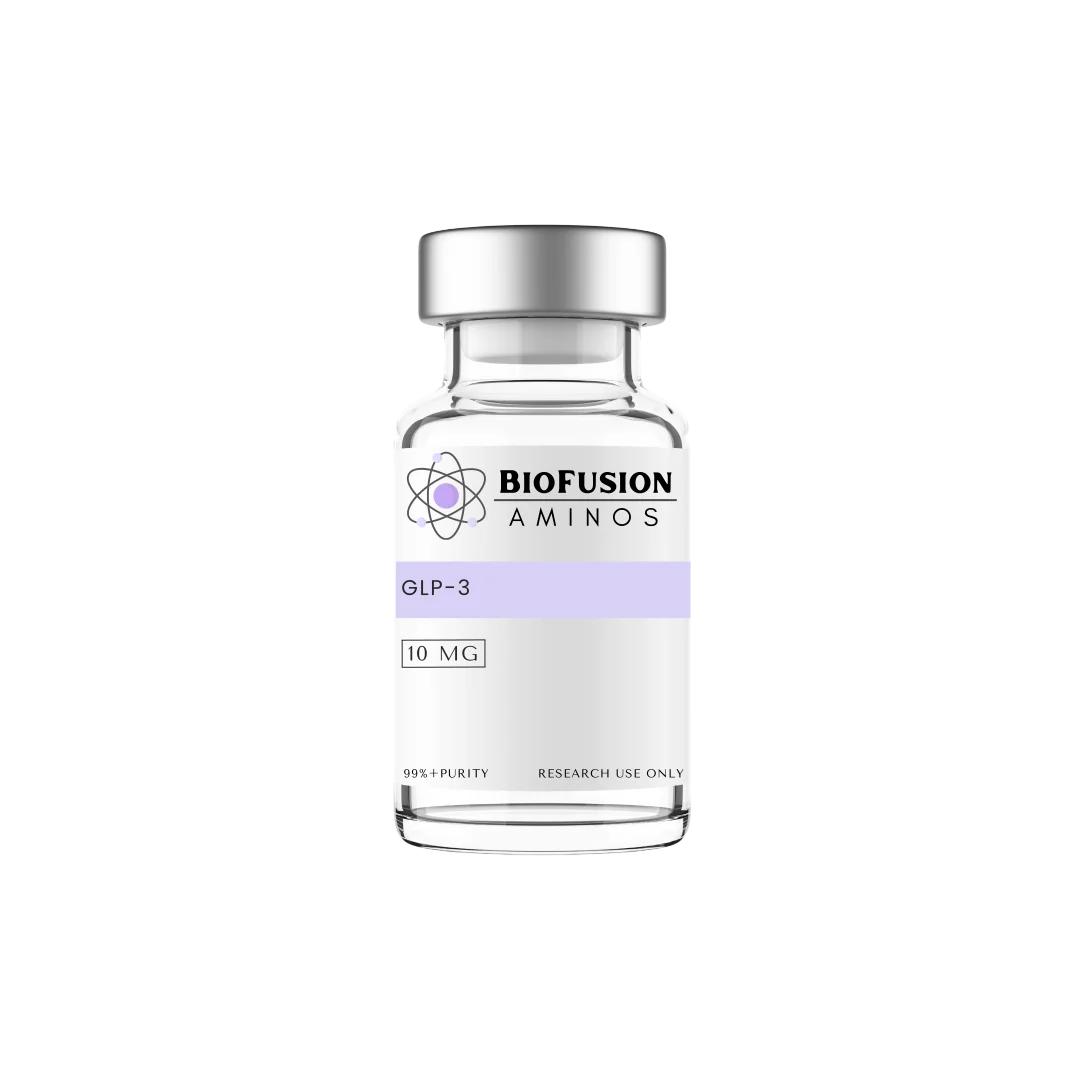

“American-made” is a branding line in most industries. For research peptide reference standards, it is a chemistry-quality proxy — and in 2026, it is also a supply-chain risk hedge.
Three Reasons Domestic Manufacturing Is Different
1. Documentation Framework
U.S.-based peptide synthesis facilities operate under documentation standards (ISO 9001:2008 or equivalent) that are enforceable through domestic channels. When a lot fails internal verification, the deviation report lives in a jurisdiction where it can be reviewed. Overseas contract manufacturers vary wildly — some match U.S. rigor; many don’t.
2. Chain-of-Custody
A domestic manufacturing chain means: synthesis → purification → lyophilization → release testing → packaging → warehouse → shipment, all within U.S. jurisdiction. Each handoff leaves a dated record. Grey-market repacking (ship from China in bulk powder, repackage in the U.S., issue a “COA” based on the inbound documentation) breaks the chain in the middle and reintroduces all the risks a domestic process is supposed to prevent.
3. Response Time on Research Escalations
If a research lab identifies an anomaly in a lot — unexpected HPLC shoulder, anomalous MS isotope pattern, higher-than-expected endotoxin — the turnaround on investigating a domestic lot is days, not weeks. On overseas-manufactured lots, it can be a month before anyone looks at the retention sample.
The Supply-Chain Angle
The post-2023 U.S. research-peptide market has seen:
- Higher shipping-delay variance. Overseas-sourced catalogs have measurably wider fulfillment windows and more customs-hold incidents.
- Processor volatility. Non-domestic supply chains tend to correlate with payment-processor churn — short-lived domain names, repeated brand rebuilds.
- Inconsistent lot chemistry. Several catalogs reliant on overseas bulk have had documented lot-to-lot HPLC variance that would not pass a U.S.-documented release spec.
For a research lab running reproducibility-dependent experiments, the lot-to-lot variance is the most expensive hidden cost.
What “American-Manufactured” Actually Means at BioFusion
At BioFusion Aminos:
- Fmoc SPPS is performed in U.S. facilities.
- Preparative HPLC purification is done on U.S. equipment.
- Lyophilization and (for spray SKUs) aseptic-fill formulation are U.S.-based.
- Release testing — HPLC, ESI-MS, LAL, Karl Fischer — is U.S.-performed.
- Final packaging and labeling are U.S.-based.
- Shipping is U.S.-domestic, 24-hour turnaround, insured and tracked.
This is the domestic chain in full — each link documented, each output published in the public COA library.
The Cost Question
Honest answer: domestic manufacturing costs more per gram than offshore contract synthesis. BioFusion’s catalog pricing reflects that — but it also reflects direct-from-manufacturer economics, not layered reseller markup. Our annual research membership drops effective catalog pricing 25% for recurring research buyers, and our wholesale program extends volume-based reductions for laboratories sourcing at scale.
The Takeaway
For research-grade reference standards, the supplier’s supply chain is part of the product. Domestic manufacturing is not a branding claim — it is a chemistry-quality and supply-chain-resilience decision. After the post-Peptide-Sciences reshuffling, it is also a category-survival decision.
Related Reading
- The Post-Peptide-Sciences Landscape
- Choosing a U.S. Peptide Supplier: The 2026 Checklist
- How to Read a COA
Laboratory research use only. This article analyzes research-chemistry supply chains and is not a consumer or medical recommendation.