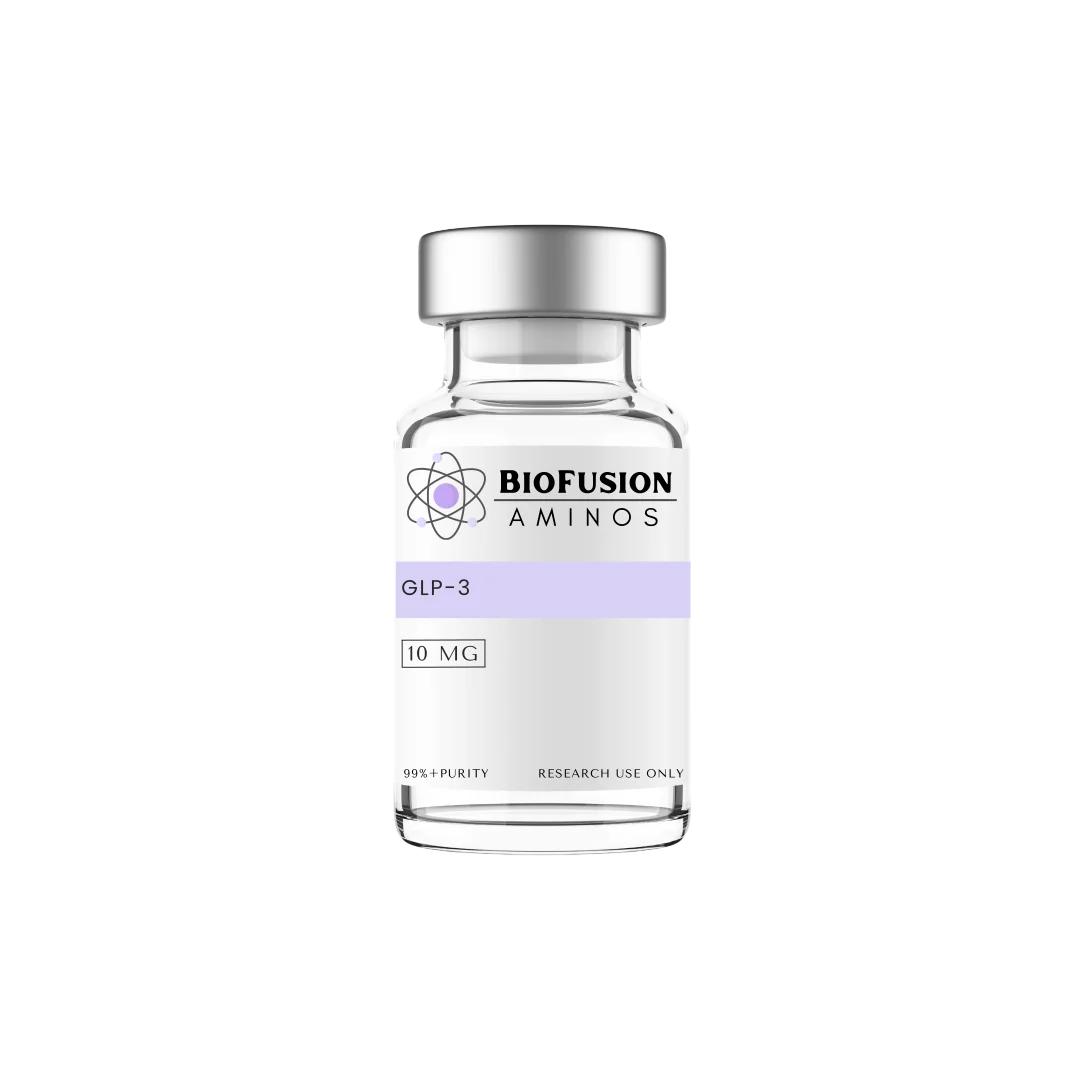

A common question from lab-procurement leads new to peptide sourcing: “Is this USP grade?” The answer, for nearly every research-peptide compound on the market, is no — and not because the chemistry is inferior. The pharmacopoeial monographs were never written for these materials.
This reference walks through the difference between pharmacopoeial standards and research-use-only specifications, and explains what to look for when a USP monograph isn’t the right benchmark.
Pharmacopoeial Standards in One Paragraph
The United States Pharmacopeia (USP), British Pharmacopoeia (BP), and European Pharmacopoeia (EP) publish drug monographs — formal specifications that define what a compound must look like to be released into pharmaceutical supply. Each monograph specifies identity tests, assay range, impurity ceilings, residual-solvent limits, microbiological limits, and packaging requirements. Compounds released against a monograph are batch-tested against every parameter in the document.
Why Most Research Peptides Are Not on Monograph
Pharmacopoeial monographs are written for compounds that are in active pharmaceutical use — meaning they have an FDA new-drug approval, a prescription pathway, and pharmacy-compounding demand. The monograph follows the approval, not the other way around.
Research-use-only peptides exist in a different supply lane. They are pre-clinical chemistry tools — synthesized at GMP-adjacent quality but released against research-grade specifications, not pharmacopoeial ones. For most compounds in the research-peptide catalog, no monograph exists at all. There is no USP entry for BPC-157, MOTS-c, GHK-Cu, retatrutide-class triple-incretins, or the dozens of signaling peptides in active research use.
For a small handful of compounds where a monograph does exist (e.g., older incretin analogs that have crossed into pharmaceutical approval), the research-grade material is still typically not released against the monograph. The supplier is not auditing their lot against pharmacopoeial impurity ceilings, and the COA does not include a monograph cross-reference.
What Does Apply: Research-Grade Specifications
Research-peptide manufacturers release material against an internal specification sheet that typically includes:
- Identity — confirmed by mass spectrometry, sequence verification
- Purity — by HPLC, area percent, single principal peak
- Net peptide content — accounting for trifluoroacetic acid (TFA) counter-ion and water
- Appearance — typically lyophilized white powder, sometimes off-white
- Solubility — what the compound is reconstituted in for downstream work
- Storage — freezer-storage recommendation, light-sensitivity flags
The COA delivered with each lot lists actual measured values, not ranges. A research lab integrating the material into a study should treat this specification sheet as authoritative — and store the COA alongside the study notebook.
When USP Grade Is Necessary (And When It Isn’t)
USP-grade material is necessary when a study deliberately requires pharmacopoeial-traceable chemistry — typically for clinical-trial supply, FDA-supervised investigations, or compounding-pharmacy work. This is rare in pre-clinical research.
For the typical research workflow — receptor-binding assays, in vitro pharmacology, structure-activity exploration, vehicle development — research-grade material with a complete COA is the appropriate input. Insisting on USP grade for a compound that has no monograph leads to one of two outcomes: the buyer pays a premium for nothing, or the supplier marks the material “USP grade” as a marketing claim with no substance behind it.
What to Ask Instead
When evaluating a supplier, “Is this USP grade?” is not the right diagnostic. Better questions:
- What is the actual HPLC purity number? Not the floor, the measured value.
- Can I see the chromatogram for this lot?
- What does net peptide content account for?
- What is the impurity profile — single related peak or a multi-impurity tail?
- Is mass-spec confirmation included on the COA?
The answers to those questions tell you what the supplier is actually selling. The USP question, for most research peptides, is a category error.
For laboratory and research use only. Not for human or veterinary consumption. Not intended to diagnose, treat, cure, or prevent any disease.