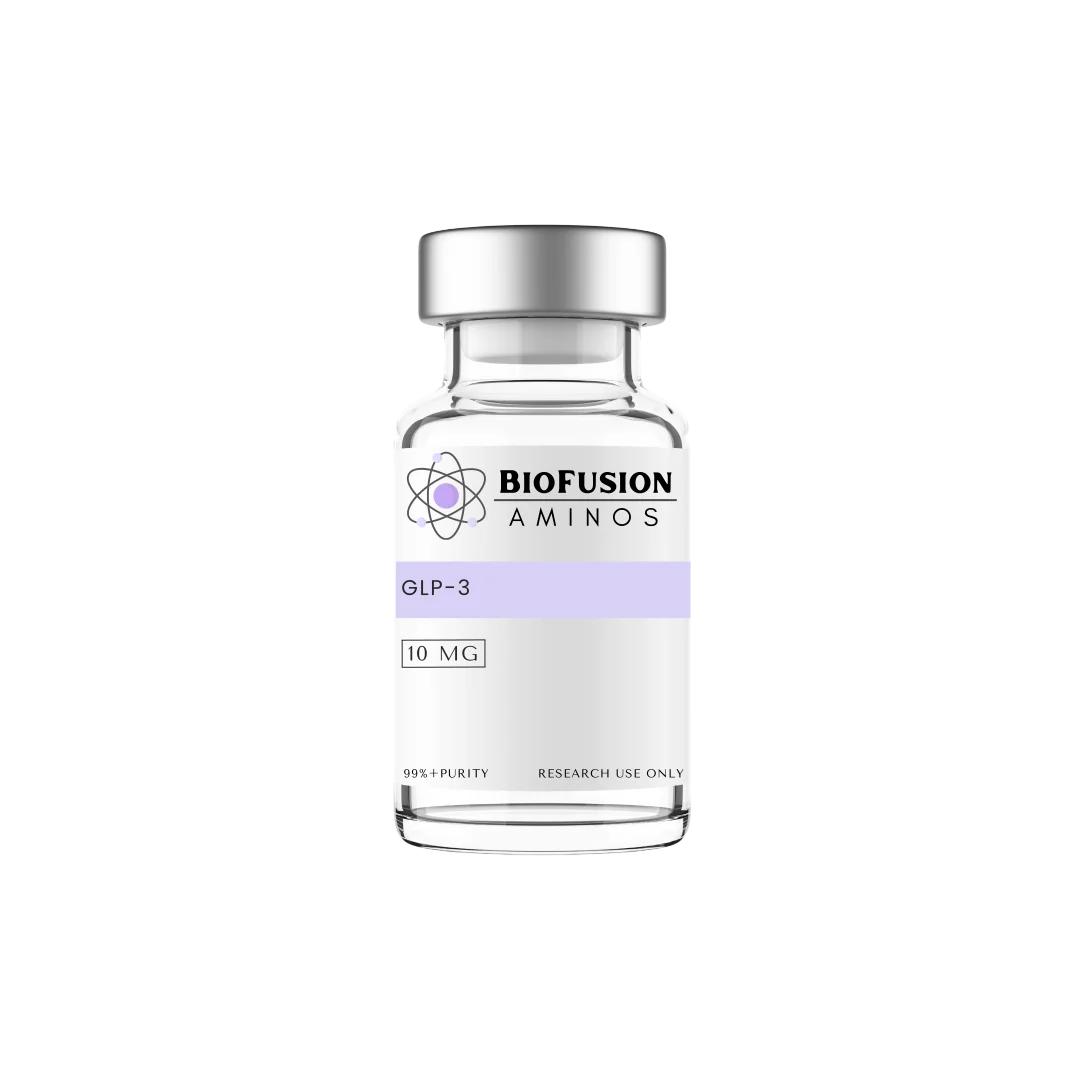

Every vial that ships from a research-peptide supplier in the United States carries a Research Use Only label. The four words appear on the cap, the box, the certificate of analysis, and every email exchange leading up to the order. They are not decorative. They are a legal and supply-chain demarcation that defines how the material can move, how it is sold, and what infrastructure around it the supplier is expected to operate.
This reference is for laboratory-procurement leads, principal investigators, and chemistry teams who need a defensible understanding of the RUO marking — without the marketing gloss that often accompanies it.
What RUO Is
“Research Use Only” is a labeling and marketing convention rather than a federal regulatory category. It signals that a compound has been manufactured, tested, and released into the supply chain for in vitro and pre-clinical investigation only. It does not sit inside the FDA’s drug-approval pipeline. It is not pharmaceutical product. It is not intended for human or veterinary administration.
In practice, RUO supply means the manufacturer has audited their workflow against research-grade purity standards (typically ≥99% by HPLC), released a lot-specific certificate of analysis, and labeled the material clearly. It also means the manufacturer is not providing dosing schedules, clinical guidance, or any instructions related to administration in living subjects.
What RUO Is Not
The labeling is frequently misread by buyers who treat it as a downgraded version of pharmaceutical-grade material. It is neither a downgrade nor a stepping stone. RUO and pharmaceutical material live in different supply chains, are released against different specifications, and exist for different scientific purposes.
- RUO is not GMP. Good Manufacturing Practice is a regulated framework that governs human-use drug production. RUO suppliers may operate under ISO 9001 or similar quality-management systems, but they are not GMP-audited.
- RUO is not USP-grade. Pharmacopoeial standards (USP, BP, EP) define identity, purity, and impurity profiles for compounds released into pharmacy compounding. RUO peptides are not released against pharmacopoeial monographs.
- RUO is not a dosing recommendation. Suppliers cannot legally provide reconstitution math or administration guidance even if a researcher asks. The material moves with chemistry data only.
What This Means for Procurement
Three practical implications for laboratory buyers:
One — Documentation must be self-service. The supplier provides chemistry: HPLC chromatograms, mass-spec verification, lot release date, storage conditions. The lab is responsible for the workflow that follows: protocol design, study controls, interpretation. Suppliers who blur this line are taking on liability they cannot legally hold.
Two — Disclosure is a quality signal. A vendor that publishes its lot-level COAs without redaction, lists actual purity numbers (not ranges), and offers retention sampling is operating in the open. A vendor that ships material with vague specifications, photoshopped chromatograms, or “≥97%” disclaimers should be treated with suspicion.
Three — The label is a contract. Buying RUO material and then deploying it outside research use is a chain-of-custody problem the buyer owns, not the supplier. Reputable manufacturers will refuse to comment on intended use beyond confirming the material is RUO. This is not stonewalling — it is the boundary of what they are licensed to discuss.
The Bottom Line
The RUO marking is a contract between supplier and buyer about how the chemistry can move. It defines what the supplier is responsible for (lot release, identity verification, purity testing, documentation) and what the buyer is responsible for (study design, end use, storage after receipt). Treating it as a meaningful demarcation — rather than a checkbox — is what separates institutional procurement from grey-market purchasing.
For laboratory and research use only. Not for human or veterinary consumption. Not intended to diagnose, treat, cure, or prevent any disease.